


Experiencing pain on the inside of your foot that might spread to the back of your ankle and shinbone? It could be due to the posterior tibial muscle, also known as the tibialis posterior. This muscle, located between the tibia and fibula bones, begins below the knee and extends along the inner side of the ankle, reaching the sole of the foot. Its job is vital for foot movement, as it helps maintain the foot arch, lowers the foot, and turns it inward.
Overloading this muscle, often caused by excessive training, can lead to discomfort. Additionally, poor foot posture may contribute to the pain. Taping for your foot with CureTape might help in offering extra support. If you’re experiencing persistent pain, it’s crucial to consult a doctor, physical therapist, or podiatrist for proper evaluation and treatment.
Get started with these items to tape your foot
-

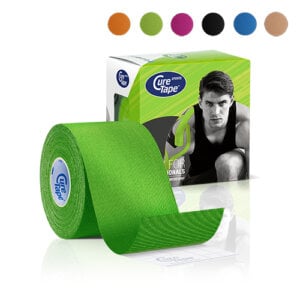
CureTape® Sports Extra Sticky Kinesiology Tape
$12.95In stockSelect options This product has multiple variants. The options may be chosen on the product page -
Bestseller
CureTape® Art – 3 Rolls Kinesiology Tape
$18.95In stockSelect options This product has multiple variants. The options may be chosen on the product page -
Bestseller
CureTape Sports – 3 Rolls Kinesiology Tape
$18.95In stockSelect options This product has multiple variants. The options may be chosen on the product page -
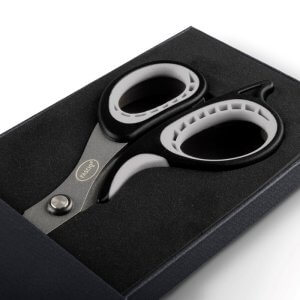
FASCIQ® High Quality Scissor
$20.00Out of stockRead more



Expert tip
Christina’s advice for taping your foot
“When you’re taping your foot, it’s crucial to use a kinesiology tape that sticks securely. Feet can get sweaty, and with all the movement, there’s a lot of friction. That’s why I recommend using CureTape Sports. This type of tape is specially designed to be extra sticky, 30% more than regular CureTape, ensuring that your tape stays in place for longer!”
Christina Peter · Sports Physical Therapist and Tape Instructor for CureTape since 2003
How to tape the inside of your foot or shin
Tips for effective foot taping
- Make sure you understand what’s causing the pain or discomfort.
- Check if there are any reasons why taping might not be a good idea.
- Before you start, read the instructions carefully.
- Choose a tape color or print that suits your style!
- Round off all the edges to prevent peeling.
- Avoid stretching the tape at the beginning and end.
- Rub the tape firmly for better adhesion; warmth helps activate the adhesive.
- You can shower or swim with the tape on; just pat it dry gently afterward, avoiding vigorous rubbing.
- To remove the tape easily, use body oil or massage oil.
Preparation for taping the inside of the foot or shin
Tape
- Shape: I-tape
- Number of strips: 1
- Technique: Muscle technique (slight pull)
Measuring and cutting the tape
Step 1:
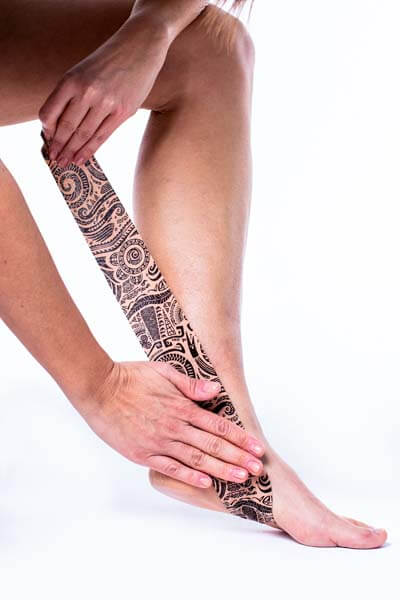
- Sit on a chair with the painful leg slightly bent.
- Measure the length of the tape from the sole of the foot to below the knee.
Applying the tape
Step 1:
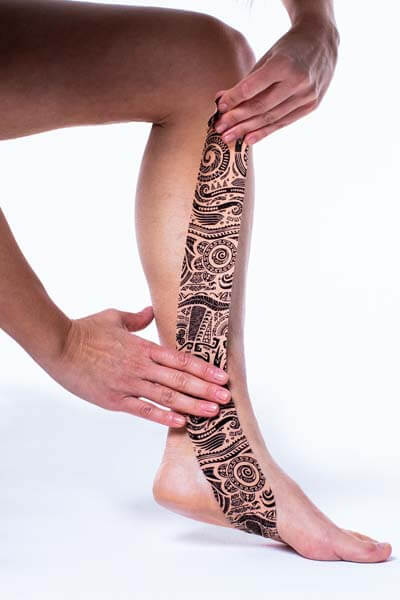
Step 2:
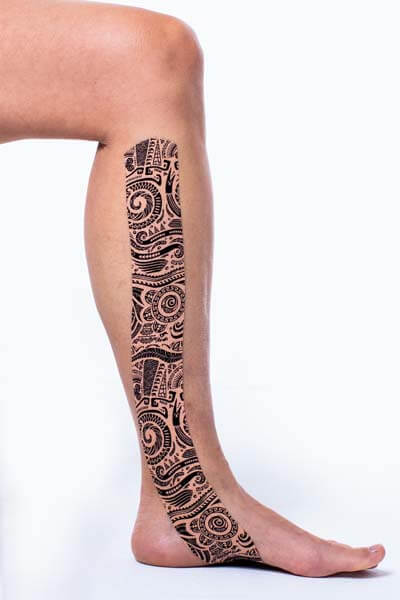
- Place the base on the underside of the foot without stretching.
- Apply the tape with a slight stretch to the inside of the ankle.
- Run the tape along the inner edge of the shin and finish under the inner knee.
- Rub the tape on well.
Learn how to tape
Want to learn how to apply tape yourself*? We have created the ultimate guide for that! This helpful guide contains:
- 30 taping instructions for common injuries that taping can help with
- 176 pages of clear written instructions
- 200 step-by-step instructions with photos, illustrations, and videos you can scan with QR codes
What are you waiting for? Order your copy today!
*This book is intended for people who want to tape an injury or complaint themselves. If you are unsure about the cause of your complaint, consult a physical therapist.




Who are we?
THYSOL is the manufacturer of the kinesiology tape brand CureTape. As CureTape, we have been training and supplying professionals for almost 25 years. And consumers now know how to find us too! Because we manufacture all our tapes in our own factory, we can guarantee the best quality!
Disclaimer
Please note that the tape applications and information on our website about the possibilities of kinesiology tape have not yet been scientifically proven. The statements and examples are based on the long-term experience of patients and trained therapists.
Do not tape in case of: pregnancy, open wounds, broken bones, unexplained complaints, allergies and skin conditions, use of medication such as blood thinners, thrombosis, or fever. Always apply tape in consultation with a specialist.